Attics and Walls That Harbor Growth
Home Mold Remediation in Dallas for properties with roof leaks, plumbing failures, or HVAC condensation
Residential contamination develops in attics, crawl spaces, wall cavities, and HVAC systems where moisture accumulates from structural failures or humidity buildup. Once mold establishes itself in insulation, drywall backing, or ductwork, it releases spores that circulate through living areas and degrade indoor air quality. Mold Busters Dallas addresses these problems using the VaPure two-step process, which combines InstaPure sterilization with EverPure antimicrobial protection to eliminate active colonies and control future growth without requiring full demolition of contaminated materials.
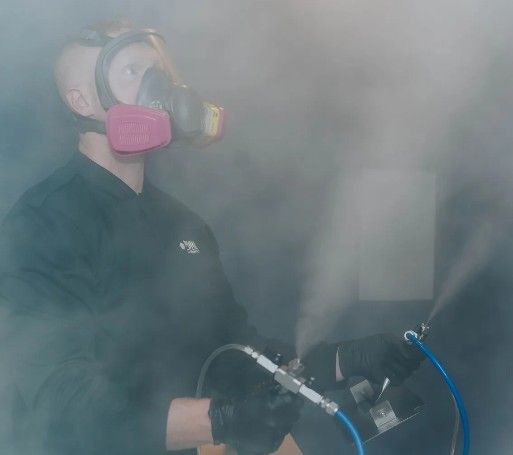
Dry fogging technology penetrates fabrics, insulation, wall cavities, and furnishings where traditional surface cleaning cannot reach, delivering antimicrobial agents into porous materials that harbor hidden contamination. This approach often preserves structural components and reduces reconstruction costs compared to tear-out remediation methods. Properties affected by storm damage, aging plumbing systems, or inadequate attic ventilation benefit from non-demolition techniques that address contamination while minimizing disruption to occupied spaces.
Schedule an assessment to determine which remediation methods suit your property's contamination pattern and structural conditions.
How VaPure Remediation Addresses Mold Growth
The InstaPure sterilization phase eliminates active mold colonies by saturating contaminated areas with agents that neutralize microbial activity at the cellular level. The EverPure antimicrobial treatment follows, creating a protective barrier on surfaces that inhibits future mold growth, bacteria, and viruses for extended periods. This two-phase approach targets both existing contamination and the conditions that allow mold to return after standard cleaning efforts fail.
After remediation, you notice the absence of musty odors, reduced allergy symptoms among occupants, and surfaces that remain free from visible discoloration or microbial regrowth. Air quality improves as spore concentrations drop and HVAC systems no longer circulate contaminated air through living spaces. The process includes workmanship and air quality warranties when recommended steps are completed, providing documented assurance that contamination has been addressed according to industry standards.
Remediation scope depends on contamination severity, moisture source resolution, and whether structural materials require replacement or can be treated in place. Homes with localized contamination often need targeted fogging and surface treatment, while properties with widespread attic or wall cavity growth may require insulation removal combined with antimicrobial application to exposed framing and sheathing.
What Property Owners Usually Ask
Remediation decisions in Dallas frequently involve attic contamination caused by roof ventilation failures and summer heat buildup that drives humidity into insulation layers.
What happens to furniture and belongings during remediation?
Dry fogging technology treats fabrics, upholstery, and porous materials in place, eliminating the need to remove most household items while still addressing contamination that penetrates beyond hard surfaces.
How long does residential remediation typically take?
Most single-family homes are treated within one to two days depending on contamination extent, moisture source repairs needed, and whether insulation removal precedes antimicrobial application.
Why choose non-demolition methods over traditional tear-out?
Preserving structural materials reduces reconstruction costs, shortens project timelines, and minimizes disruption when contamination exists within materials that can be effectively sterilized and protected against future growth.
What warranty coverage applies after remediation?
Workmanship and air quality protection cover completed work when moisture sources are repaired and recommended steps are followed, ensuring contamination does not return due to remediation failures.
When should remediation begin after water damage occurs?
Treatment should start within seventy-two hours of moisture intrusion when possible, as mold colonies establish quickly in damp insulation, drywall, and wood framing once humidity levels remain elevated.
Mold Busters Dallas provides residential remediation designed to eliminate contamination while preserving structural integrity and indoor air quality. Request an inspection to evaluate contamination severity and receive detailed remediation recommendations based on your property's specific conditions.