Contamination Treatment That Reaches Hidden Spaces
Dry Fogging in Dallas for properties requiring mold remediation without extensive demolition
Traditional mold remediation requires removing contaminated drywall, insulation, and building materials to physically eliminate growth, but this approach becomes impractical when contamination affects large areas or exists in spaces where demolition disrupts occupied environments. Dry fogging technology offers a low-moisture remediation method that penetrates wall cavities, insulation, fabrics, furnishings, and hidden contamination zones without requiring material removal. Mold Busters Dallas applies this technology using InstaPure and EverPure products as part of the patented VaPure treatment process, addressing contamination in residential homes, commercial buildings, healthcare facilities, and restoration projects throughout Dallas.
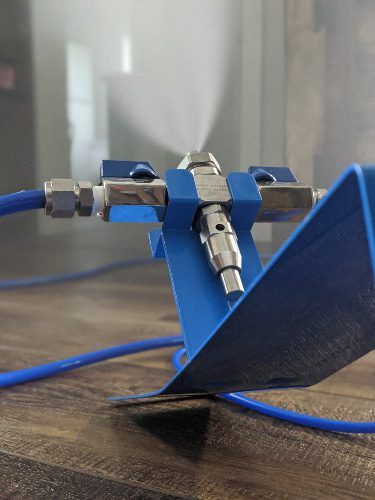
The process creates microscopic fog particles that remain suspended long enough to penetrate porous materials, travel through air gaps, and settle onto surfaces in concealed spaces where spray application and surface wiping cannot effectively reach. This approach reduces demolition needs and shortens treatment timelines compared to conventional remediation that requires extensive reconstruction after contaminated materials are physically removed.
Schedule a property consultation to determine whether dry fogging addresses your contamination conditions without requiring demolition.
What Proper Dry Fogging Treatment Requires
Effective dry fogging depends on particle size control that keeps sanitizing agents airborne long enough to penetrate target areas but allows eventual settling onto surfaces where contamination exists. Equipment calibration determines particle size, fog density, and distribution patterns based on property layout, contamination location, and airflow characteristics that affect how fog moves through interior spaces.
After treatment completes, you notice reduced musty odors and improved air quality as contamination within wall cavities, ductwork, and concealed spaces no longer releases spores into occupied areas. The EverPure antimicrobial component provides extended protection on treated surfaces, reducing recontamination risk during the period when moisture conditions that originally supported growth may still exist but physical remediation has not yet occurred.
Dry fogging works best for properties with widespread contamination affecting multiple rooms, hidden mold growth within building cavities, or situations where demolition creates unacceptable disruption to ongoing operations. The service does not replace physical remediation when structural materials have sustained water damage requiring replacement, but it addresses contamination that exists on intact surfaces and within spaces where physical access remains limited.
What Property Owners Usually Ask
Questions about dry fogging typically focus on appropriate applications, treatment limitations, and how the technology integrates with traditional remediation approaches for properties experiencing various contamination conditions.
What types of contamination does dry fogging effectively treat?
Dry fogging treats mold spores, bacteria, and odor-causing organisms on surfaces throughout the property, including contamination within wall cavities, insulation, ductwork, furnishings, and porous materials where physical cleaning methods cannot reach without demolition.
How does fog penetrate concealed spaces like wall cavities?
Fog particles follow air currents through gaps around electrical outlets, plumbing penetrations, and building envelope openings, allowing sanitizing agents to reach interior cavity surfaces where contamination establishes after moisture intrusion events compromise building assemblies.
When should dry fogging be used instead of traditional demolition remediation?
Dry fogging works for properties with surface contamination, airborne spore concerns, and mold growth on intact materials that have dried, while traditional demolition remains necessary when building materials have sustained structural damage, water saturation, or contamination severity that cannot be addressed through surface treatment alone.
Why do restoration projects in Dallas benefit from dry fogging technology?
High humidity conditions in Dallas cause contamination to spread quickly through interconnected building cavities after water intrusion, making comprehensive treatment of concealed spaces critical for preventing recontamination during the extended drying and reconstruction periods that humid climates require.
How long does dry fogging treatment take for typical residential properties?
Treatment duration depends on property size, contamination extent, and airflow complexity, but most residential applications complete within several hours, allowing faster property reoccupation compared to multi-day demolition and reconstruction timelines required for traditional remediation approaches.
Mold Busters Dallas applies dry fogging technology for mold remediation, odor removal, and large-scale property sanitation when contamination conditions require comprehensive treatment beyond surface cleaning. Request an evaluation to determine whether dry fogging provides appropriate contamination control for your property without requiring extensive material removal.