Indoor Air That Triggers Unexplained Symptoms
Air Quality Testing in Dallas for properties with headaches, respiratory irritation, or persistent odors
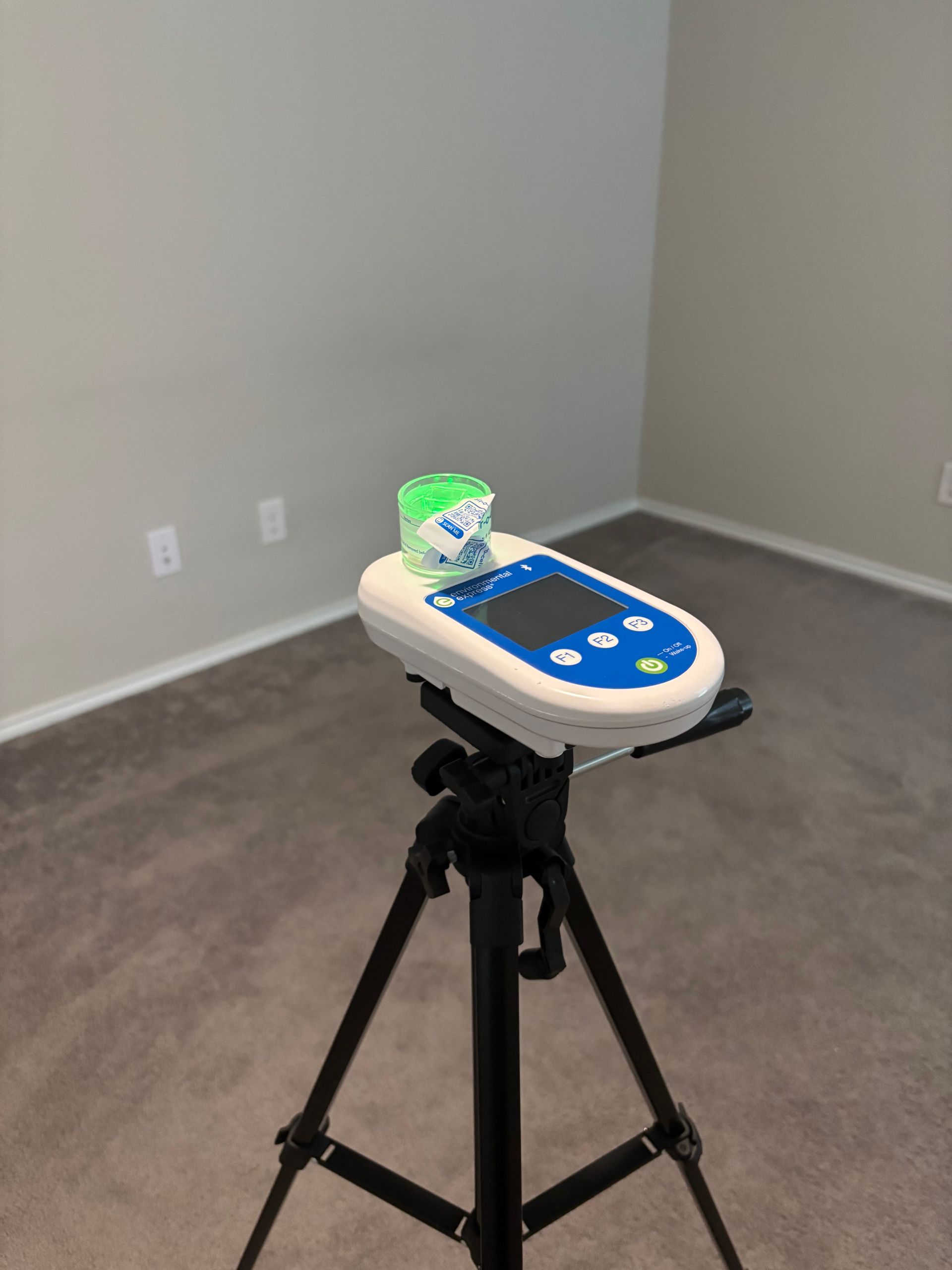
Airborne contaminants accumulate in enclosed spaces long before visible mold or water damage becomes obvious. Mold Busters Dallas evaluates spore levels, humidity imbalances, and HVAC contamination using InstaScope technology that analyzes indoor air conditions throughout residential and commercial properties. Business owners and landlords often request testing after occupants report unexplained allergies or when musty odors persist despite routine cleaning.
The testing process measures airborne mold spore concentrations, identifies contamination sources within duct systems, and documents humidity levels that contribute to ongoing indoor air quality problems. HVAC inspections reveal mold growth around air handlers, return vents, and ductwork where condensation creates ideal conditions for microbial activity. These findings help property owners understand whether contamination originates from structural moisture issues, ventilation failures, or localized problems within mechanical systems.
Arrange testing before starting remediation projects to establish contamination baselines and verify air quality improvements after work is completed.
What Proper Air Quality Testing Requires
Comprehensive testing involves collecting air samples from multiple interior zones, comparing results against outdoor baseline readings, and inspecting HVAC components that circulate air throughout occupied spaces. The process identifies elevated mold spore counts, measures relative humidity levels that promote microbial growth, and detects airflow problems that concentrate contaminants in specific rooms or building sections.
Once testing is complete, you receive documented spore counts, identified contaminant types, and humidity measurements that clarify whether your indoor environment exceeds safe thresholds. This information becomes particularly valuable after water damage events, remodeling projects that disturb hidden contamination, or when occupants experience health symptoms without obvious causes. Properties in Dallas frequently show elevated humidity and airflow issues related to HVAC system performance during periods of high outdoor temperatures and moisture.
Testing provides actionable data rather than guesswork, allowing property managers and homeowners to prioritize ventilation improvements, remediation projects, or HVAC maintenance based on measured contamination levels. The results also serve as documentation for real estate transactions, insurance claims, and compliance requirements in commercial settings.
Answers to Frequent Service Questions
Testing requests often follow tenant complaints, unexplained odors, or visible mold growth discovered during routine property maintenance.
What does air quality testing measure?
The process evaluates airborne mold spore concentrations, identifies specific contaminant types, measures humidity levels, and inspects HVAC systems for contamination sources that affect occupied spaces.
How soon can I get results after testing?
Laboratory analysis typically requires three to five business days to identify specific mold types and provide spore count data, with preliminary findings available sooner for urgent situations.
Why test after water damage if no visible mold appears?
Hidden contamination often develops inside wall cavities, insulation, and ductwork where moisture accumulates without producing visible surface growth, making airborne testing the most reliable detection method.
What triggers elevated spore counts in indoor environments?
Poor ventilation, HVAC condensation, humidity levels above sixty percent, and hidden moisture from plumbing leaks or roof failures create conditions where mold proliferates and releases spores into circulating air.
Can testing determine if HVAC cleaning is necessary?
Yes, sampling around supply and return vents combined with visual inspection of air handler components reveals whether contamination exists within ductwork and mechanical systems requiring professional cleaning.
Mold Busters Dallas delivers documented air quality data that supports informed decisions about remediation, ventilation upgrades, and ongoing indoor environment management. Request testing to identify contamination sources and establish clear improvement priorities for your property.