Building Envelopes That Control Moisture Movement
Air Sealing in Dallas for properties experiencing humidity intrusion and uncontrolled airflow
Gaps and penetrations in attic floors, exterior walls, and building envelopes allow humid outdoor air to enter conditioned spaces continuously, creating moisture loads that HVAC systems struggle to manage and establishing conditions where mold development becomes difficult to prevent. Air sealing services from Mold Busters Dallas reduce airflow leakage between attics, living spaces, and exterior environments by sealing these gaps and penetrations. You need this work when indoor humidity remains elevated despite dehumidification efforts, attic moisture staining appears on ceilings, or HVAC systems run continuously without achieving comfort conditions.
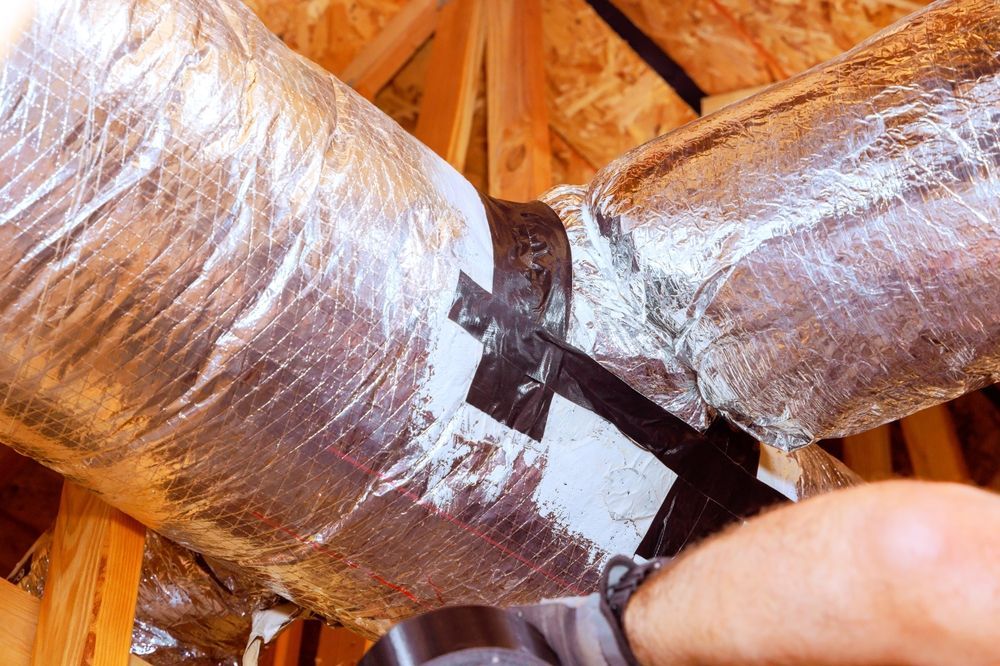
Sealing work focuses on penetrations where plumbing, electrical, and HVAC components pass through building assemblies, along with gaps around recessed lighting, attic hatches, and wall-to-ceiling transitions where air pressure differences drive continuous airflow. The service often includes attic insulation removal to access concealed gaps that cannot be sealed while insulation remains in place.
Schedule an inspection to identify air leakage locations affecting your property's moisture control and energy performance.
How Uncontrolled Airflow Creates Moisture Problems
Dallas's humid climate means outdoor air carries significant moisture that enters properties through envelope gaps, then deposits that moisture on cooler interior surfaces when air-conditioned spaces create temperature differentials. During summer months, this process continuously introduces moisture loads that exceed HVAC dehumidification capacity, while winter conditions allow warm interior air to escape into attics where moisture condenses on cold roof decking and creates ideal conditions for mold establishment.
After air sealing completes, you notice improved indoor comfort, lower humidity levels, and reduced HVAC runtime as the system no longer continuously battles moisture intrusion through building envelope gaps. Energy efficiency improves because conditioned air remains in living spaces rather than escaping through ceiling penetrations into unconditioned attics, and moisture-related damage risks decrease as uncontrolled airflow no longer deposits humidity on vulnerable building surfaces.
The service works as an effective complement to mold remediation because addressing airflow leakage reduces the moisture sources that originally supported contamination development. Properties with recurring mold issues, persistent humidity problems, or high energy costs despite recent HVAC upgrades often have significant air leakage that requires sealing work before other improvements can function effectively.
Answers to Frequent Service Questions
Property owners working to improve moisture control and indoor environmental conditions often ask about air sealing benefits, appropriate project timing, and how the work integrates with remediation and HVAC improvement efforts.
What building areas typically require air sealing work?
Attic floor penetrations around plumbing stacks, electrical wiring, HVAC ducts, recessed lighting fixtures, and wall-to-ceiling transitions represent the primary leakage locations where air pressure differences drive continuous airflow between conditioned living spaces and unconditioned attics or exterior environments.
How does air sealing reduce mold development risk?
Air sealing eliminates pathways where humid outdoor air enters conditioned spaces and where warm interior air escapes into attics, preventing moisture deposition on cool surfaces during summer and condensation on cold surfaces during winter that create sustained dampness supporting mold growth.
When should air sealing be scheduled relative to remediation work?
Air sealing should occur after active mold remediation completes and moisture sources have been controlled, providing long-term protection against the airflow-driven moisture intrusion that contributed to original contamination development and prevents future mold establishment.
Why does Dallas require more aggressive air sealing than moderate climates?
High humidity and extended cooling seasons in Dallas create severe moisture loads when outdoor air enters conditioned spaces through envelope gaps, making comprehensive air sealing critical for maintaining indoor humidity below levels that support mold growth on building materials and furnishings.
What happens during attic insulation removal for air sealing access?
Insulation removal exposes attic floor penetrations and gaps concealed beneath insulation layers, allowing proper sealing of leakage locations that cannot be effectively treated while insulation remains in place, followed by insulation replacement after sealing work completes.
Mold Busters Dallas provides air sealing services designed to improve moisture control, energy efficiency, and indoor environmental quality in properties experiencing humidity intrusion and HVAC performance issues. Request a building envelope assessment to identify air leakage and ventilation weaknesses affecting your property's long-term moisture management.